The complete post-holiday mailing playbook: How to reconnect, reassure, and mail smarter in early 2026
The complete post-holiday mailing playbook: How to reconnect, reassure, and mail smarter in early 2026
You can feel it, right? The hush after Christmas and New Year—mailboxes lighter, inboxes still busy, people slowly climbing back into routines. This is the perfect window to send letters that matter: thank-yous, updates, invoices with warmth, handwritten notes that say “I see you.” Done right, your early-year mail becomes a soft touch, then a helpful nudge, then a stronger bond.
And yes, let’s talk stamps. Let’s talk real ones. Let’s talk protecting your brand, your wallet, and your sanity.
Why the “double touch” after holidays works for real people
In late December, mail competes with noise: holiday promos, charity drives, family cards. Your customers are buried. But post-holiday, attention resets. A two-part rhythm—one thoughtful note just before Christmas, then a follow-up letter after New Year—creates a gentle cadence that builds trust without shouting.
- Before Christmas: A short, warm letter sets the tone. Think gratitude, clarity about year-end hours, or a simple promise: “We’ll be here in January, ready to help.”
- After New Year: A second letter (your “double touch”) lands when people are ready to act. It can include service updates, billing clarity, new offers, and a clear reason to keep the relationship strong.
Emily Carter, a logistics manager in Denver, told me this changed everything:
“I sent a holiday card with a handwritten ‘thank you, Jose!’ in the corner. It felt personal. Then in early January, I followed up with a letter that had a tidy checklist—what’s new, how to reach us, and a note on stamps. My customer replied, ‘It’s weird how calm this made me feel.’ That’s the magic. Two touches, zero fluff.”
This isn’t about manipulation; it’s about rhythm. People appreciate consistency. And mail—quiet, tangible mail—is often the calmest way to deliver it.
The reality of USPS prices in early 2026 (and why planning now protects you)
Best Deals on Forever Stamps
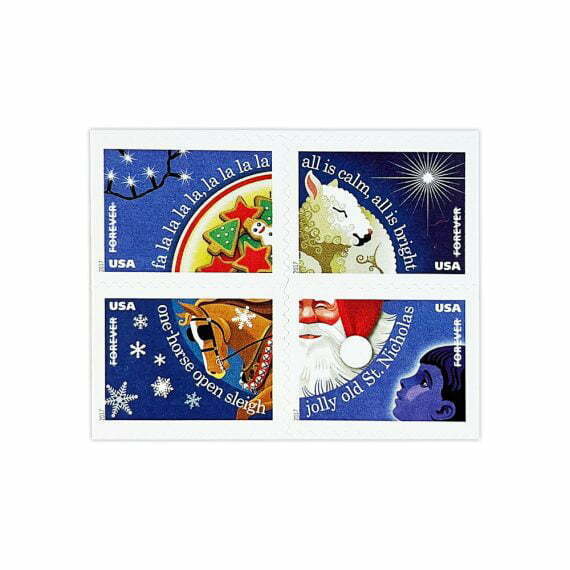
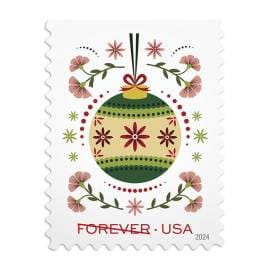
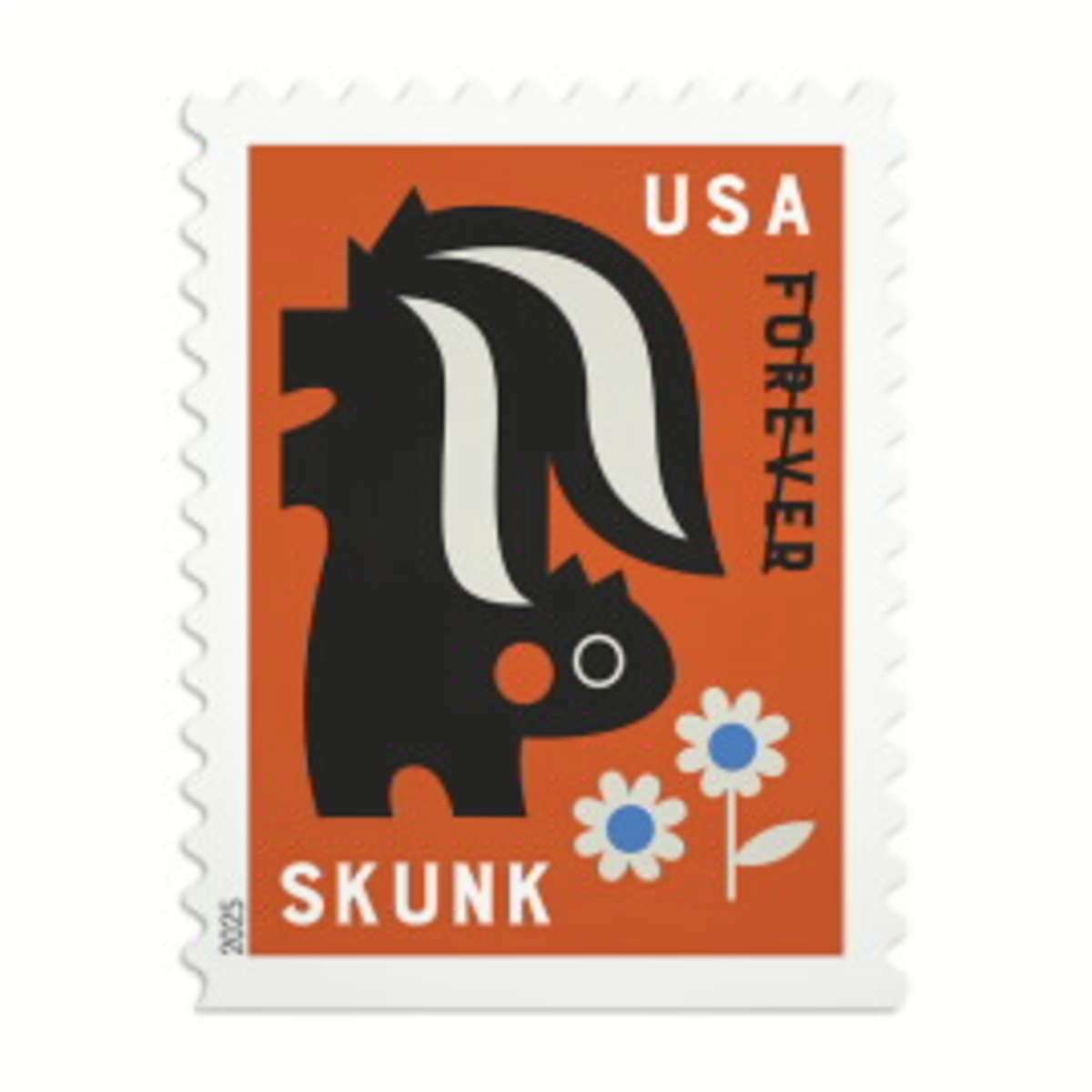
Quick reality check, because facts matter. In 2026, Forever Stamps still hold at 78 cents. The Postal Service confirmed no price changes for January 2026, even after July 2025 adjustments. Many operators expect an increase after mid-2026, but not before July. So what does that mean? If you mail regularly in Q1–Q2, buy now and save later. If you mail occasionally, buy a modest reserve—you’ll still beat a potential mid-year bump.
Sources: USPS announcement on stamp pricing stability for January 2026: “No stamp price changes for January 2026.”
Emotionally speaking: there’s something steady about a Forever Stamp. Prices move. Budgets wobble. But these stamps is a tiny hedge against uncertainty. They’re your pocket-sized insurance policy, quietly doing their job while everything else sprints.
The layered preparation strategy: message, timing, and material that feels human
Make your January letters useful. Useful beats clever. Useful builds peace-of-mind.
- Message clarity:
Core: gratitude, reassurance, what changed (if anything), what your customers can expect in Q1.
Tone: warm, brief, human. Not salesy; not robotic. - Timing:
Mid-January send: attention has returned, budgets unlock, fewer competing mailers.
Late January follow-ups: reply to inbound politely, then send a second wave only to those who didn’t respond. - Materials:
Envelopes: clean, correctly sized, with legible fonts.
Stamps: avoid novelty if you mail broadly; classic styles signal trust.
Inserts: one simple page—no jargon, no shouting. If you need detail, link to a short landing page.
And add a tiny human flourish: a line of handwriting. “Thanks for sticking with us through the busy season.” People keep these. They pin them up. It’s small, but it hits the heart.

Choosing real stamps in 2026: protect yourself first, match your needs second
Before we talk style, talk safety. There’s a rush of “discount” listings out there. If you see over 50% off, it’s almost certainly fake. Full stop. In practice, counterfeits looks great at first glance, then ruin your mail, reputation, and sometimes lead to returned or seized items. Avoid marketplaces infamous for mass-produced counterfeits—sites like Temu or Shein are not credible sources for USPS stamps. If the deal feels too good, it is.
- Safe channels to prioritize:
Amazon, eBay, Costco, Walmart, Forever Stamp Store, The USPS Stamps, Flag Stamp Shop
These range from big-box reliability to specialized sellers. Compare listings, seller ratings, and return policies. - Simple rule of thumb:
Discount above 50% = fake.
Discount 10–25% = plausible with risk—verify authenticity and seller credibility.
Face value or small discount = safest, especially from known retailers.
Let’s be practical. Your goal isn’t just “cheap.” Your goal is reliable, auditable, and peace of mind. If you send 200+ letters per month, bulk-buy verified stamps now. If you send under 50, buy a 100–200 count reserve. You’ll thank yourself in June when prices maybe moves and your workflow stays smooth.
Styles that never go out of style (and where they work best)
Think of stamp design as part of your brand voice. Classic, widely-recognized stamps reduce friction and signal credibility. Unless you have a niche audience or a commemorative theme, avoid heavily-themed limited runs—they can feel off-context or like cosplay.
Bird-themed series Stamps
Calm, nostalgic, and broadly appealing. Bird stamps often carry a sense of freedom and continuity, professional enough for business mail yet warm enough for personal notes.
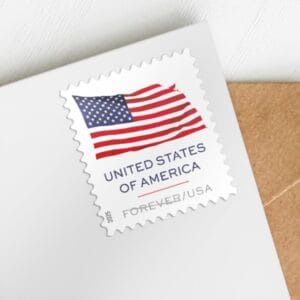
Flag series Stamps
Steady and trusted. Flag stamps signal institution-level credibility, perfect for official updates, notices, or any communication where reassurance matters.
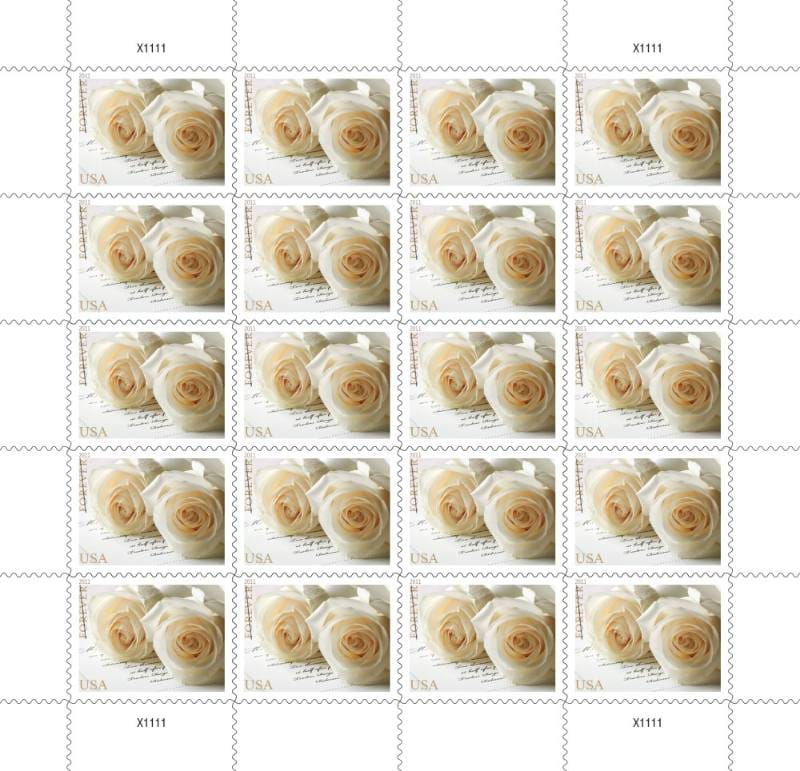
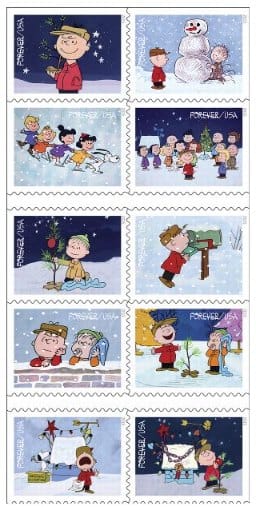
Choose designs that match your audience’s expectations. Plant art taps empathy, Snoopy adds charm, birds bring calm, and flags deliver credibility. The more universal your mail, the more classic your stamps should be.
And yes—don’t overthink it. The point is clarity and trust, not aesthetic acrobatics.
Where to buy: a careful, lived-in analysis of channels and risks
I’ve seen teams get burned by pretty listings and too-good-to-be-true bundles. You don’t need perfect “authentication tricks.” You need safer funnels and prudent habits. Here’s the pragmatic breakdown.
Channel comparison that keeps you honest
| Channel | Typical discount | Pros | Cons | Best for |
|---|---|---|---|---|
| USPS official & authorized sellers(Costco, Walmart) | 0–5% | Highest authenticity, clear returns | Limited promo pricing, sometimes slower | Compliance, large orgs |
| Big-box retail ( The USPS Stamps, Flag Stamp Shop) | 0–24% | Strong buyer protection, in-person options | Stock varies | Small businesses, local pickups |
| Major marketplaces (Amazon, eBay) | 0–25% | Wide selection, ratings, quick shipping | Counterfeits risk; vet sellers | Deal hunters with caution |
| Specialized online stores (Forever Stamp Store) | 0–20% | Focused inventory, better verification | Less-known brands | SMBs, repeat buyers |
| Community/secondhand (local groups) | variable | Personal deals, negotiable pricing | Highest fake risk, poor recourse | Only for tiny purchases |
Sources: Broad analysis of consumer protection and marketplace dynamics. See industry coverage on postal operations and consumer risks in major outlets:
- USPS operations overview (NPR’s public service reporting)
- E-commerce risk and marketplace trends (Forbes)
- Consumer protection insights (The Washington Post)
How to vet with real-world sanity
- Seller reputation:
Look for: long sales history, consistent reviews, clear product photos.
Avoid: brand-new accounts with massive “bulk discount” claims. - Packaging clues:
Genuine: crisp sheets, quality printing, barcodes aligned, edges clean.
Suspicious: color shifts, fuzzy lines, misaligned perforations. - Documentation and returns:
Strong sellers: documented origin, fair return windows, responsive support.
Weak sellers: vague provenance, “all sales final,” delayed replies. - Your volume and frequency:
Tailor channel to your actual needs. If you mail weekly, you need stability. If monthly, you need fairness plus mild flexibility.
And be kind to yourself: no one has perfect authentication skills. Safer channels reduce cognitive load. The goal is not to be clever; it’s to be reliably right.
Mailing workflow that respects feelings and gets results
It’s not just what you mail; it’s how you mail. The right workflow protects your relationships.
- Pre-holiday send (December):
Focus: gratitude, timeline clarity, gentle expectation-setting.
Lead-in label: Warm signal: “We appreciate you. We’ll be here after New Year.” - Post-holiday letter (January):
Focus: updates, simple offers, support pathways.
Lead-in label: Confidence cue: “We’ve got you covered—here’s what’s new.” - Follow-up check-in (late January):
Focus: listen first, then respond to non-responders once.
Lead-in label: Kind persistence: “Just checking in—anything you need?” - Stamp handling:
Lead-in label: Reserve now: Buy enough authentic Forever Stamps to cover Q1–Q2. Avoid last-minute scrambles.
Lead-in label: Classic designs: Choose floral or flag staples for credibility.
Mike Reynolds, an operations lead in Austin, said something that stuck:
“At 5 p.m., I held two envelopes. One looked fancy, the other looked normal. The ‘normal’ one with a flag stamp felt trustworthy. I sent it. Customer replied in 12 hours. It wasn’t design. It was reassurance.”
Sometimes the straight line is best. Sometimes honest beats clever. Your customers feel it, even if they can’t explain it.
Bulk buying smart: 2026 discount Forever Stamps and what “cheap” really means
“Cheap” can be misleading. The word you want is “safe-value.” There is many reasons to buy in bulk now—primarily price stability through mid-2026 and smoother operations.
- If you mail 100–500 pieces per month:
Buy 1–3 months of supply. Track your weekly usage and reorder before you hit 30% remaining. - If you mail 500–2,000 pieces per month:
Buy 2–4 months of supply. Consider multiple sources to diversify risk (but keep them all reputable). - If you mail seasonally:
Buy a smaller reserve that covers your next cycle plus a cushion. Don’t overstock specialty designs. - Risk guardrails:
Over 50% off? Fake.
10–25% off? Maybe okay—verify seller history, returns, and authenticity claims.
Face value or slight discount? Safest for consistency. - Why bulk is emotionally sane: fewer emergencies, predictable costs, and a quiet kind of confidence. Your letters leave on time. Your team stops guessing. Your customers feel the stability—even if they never see your back office chaos.
And if you’re planning for Q3, remember: buying now is not about panic; it’s about peace.
Practical safeguards: avoid counterfeit traps and keep your audits clean
Counterfeits don’t just waste money—they can make your mail undeliverable, hurt your brand’s credibility, and trigger awkward conversations you didn’t plan to have. Basic protections go a long way.
- Operational controls:
Segregate inventory: keep bulk-buy lots labeled with source and date.
Test batch: mail a small batch before scaling new suppliers.
Photo logs: keep images of sheets and rolls on arrival. - Who to avoid:
Marketplaces known for mass fake goods or “flash 70% off” campaigns. If you’re tempted, pause. You’re running a business, not a thriller. - Backup plan:
Maintain a small stash from official or big-box channels. If a new supplier fails, you keep mailing while you fix the issue.
Emily’s inner voice that January morning:
“If this mail bounces, I look careless. If it lands, we breathe. Pick the stamp that doesn’t make me second-guess.” She reached for the flag stamp. Sent it. Later told me, “Peace of mind is a workflow.”
Final notes on style, tone, and the human why
You’re mailing to humans. They’re tired after holidays, hopeful in January, wary of scams, eager for clarity. Your letters can feel like a breath.
- Keep the language simple.
- Use classic stamps.
- Buy from real channels.
- Mail when attention returns.
- Be generous with reassurance.
You don’t need perfect. You need steady. In 2026, that’s the superpower.
Buyer’s table: recommended channels, use‑cases, and trust signals
| Option | Best use‑case | Trust signals | What to watch | My take |
|---|---|---|---|---|
| Amazon | Fast restocks | “Ships from/sold by Amazon,” Prime returns | Third‑party listings | Strong if vetted; good for quick replenishment. |
| eBay | Niche lots | Top Rated Seller, 10k+ feedback | New sellers, deep discounts | Good with caution; verify seller history before bulk buying. |
| Costco | Bulk reliability | In‑person validation, receipts | Stock limits | Great for SMBs; reliable for steady supply. |
| Walmart | Everyday buys | Return policy, store pickup | Local availability | Solid backup; convenient for smaller purchases. |
| Forever Stamp Store | Focused selection; ideal for churches, schools | Clear contact info, terms | Styles limited; occasional out‑of‑stock | Specialized, trustworthy; best for institutions needing steady supply. |
| The USPS Stamps | Official alignment; bulk for enterprises | Compliance confidence | Fewer deals; limited sheet options | Safest provenance; recommended for corporate bulk procurement. |
| Flag Stamp Shop | Targeted offers; personal buyers | Policy transparency | Fewest styles; occasional stock shortages | Best for individuals; reliable but limited variety. |
Sources: For broader context on postal operations and consumer protection, see:
- NPR’s postal service coverage
- Forbes on marketplace risk
- https://www.washingtonpost.com/Washington Post consumer investigations
The gentle cadence to follow, starting now
- Warm pre-holiday note next year.
- Focused post-New Year letter this January.
- Classic stamps, real channels, sensible bulk.
- Audit-friendly habits.
- And one handwritten line.
Because your customers don’t just want information; they want to feel okay. Your mail can do that. Quietly. Consistently. Week after week.
Expert Usage Tips for Forever Stamps

Retired USPS mailroom supervisor with 30 years of service in Chicago. He now contributes columns on Forever Stamps, sharing trusted advice on spotting counterfeit risks and finding reliable discount deals for everyday mailers.