The Architecture of the Envelope: Matching Packaging stamps to USPS Material Rules
The Architecture of the Envelope: Matching Packaging stamps to USPS Material Rules
The wind in Chicago doesn’t just whistle through the skyscrapers; it tests the integrity of every physical object moving across the city’s logistics corridors. As a supervisor for a regional distribution center, I’ve spend my career analyzing the failure points of outbound mail. The most common cause of delayed, damaged, or returned mail isn’t a lack of effort; it’s a fundamental mismatch between the packaging material and the applied postage. When you are mastering packaging stamps, you aren’t just buying adhesive; you are navigating a complex field of physical engineering and regulatory compliance.
According to the USPS Notice 123 Rate Tables, the distinction between a “Letter,” a “Flat,” and a “Parcel” is measured in fractions of an inch and degrees of flexibility. In 2026, for a business operationalizing its fulfillment, understanding these technical thresholds is the difference between a seamless delivery and a “Postage Due” disaster. This guide provides the architectural blueprint for matching your packaging choices to the correct USPS classifications and stamp strategies.
I saw a batch of ‘Rigid’ mailers come through the Chicago hub last week—hundreds of them—all stuck with single Forever stamps. Because they were non-flexible and over 1/4 inch thick, they were technically parcels. The sorting machines couldn’t even process them. We had to pull the whole batch for manual sorting. I realized then that if the sender had spent just five minutes understanding the ‘Flexibility Rule,’ they would have saved $800 in delay-related overhead.
The Three Pillars of Postal Geometry
The USPS sorting stream is a high-speed mechanical environment designed for specific geometries. To ensure your mail survives the O’Hare-sized volume of the Chicago processing centers, you must categorize your packaging by its physical constraints. The packaging stamps you choose are the “credentials” that allow your mail to enter the correct processing lane.
| Classification | Physical Constraints | Postage Logic |
|---|---|---|
| Machinable Letter | Flexible, < 1/4" thick, Rectangular. | 1 x Forever Stamp ($0.78 Retail / $0.62 Surplus). |
| Large Envelope (Flat) | Flexible, > 6-1/8″ x 11-1/2″. | Base Flat Rate + Additional Ounces. |
| Non-Machinable | Square, Rigid, or has ‘Bumps.’ | Forever Stamp + Non-Machinable Surcharge ($0.46). |
Working with verified surplus providers like Forever Stamp Store or The Forever stamp allows you to stock the specific “Denomination Arrays” needed for these technical variations. He were sure—a junior tech in our mailroom—that ‘flexible’ was a subjective term. I showed him the Postal Regulatory Commission (PRC) definition of the ‘Bend Test.’ If it doesn’t bend around a 10-inch cylinder, it’s rigid. Knowing this saved us from a total delivery failure for an entire engineering firm’s client reports.
Best Deals on Forever Stamps


The Physics of Material Interaction
Modern packaging materials—recycled kraft, plastic poly-mailers, and thick cotton cardstock—interact differently with postal equipment. According to Smithsonian Postal Science records, the transition from paper to polymer has changed the friction coefficients that automated sorters must navigate. When matching your packaging stamps, you must account for the “Surface Bond” of the adhesive.
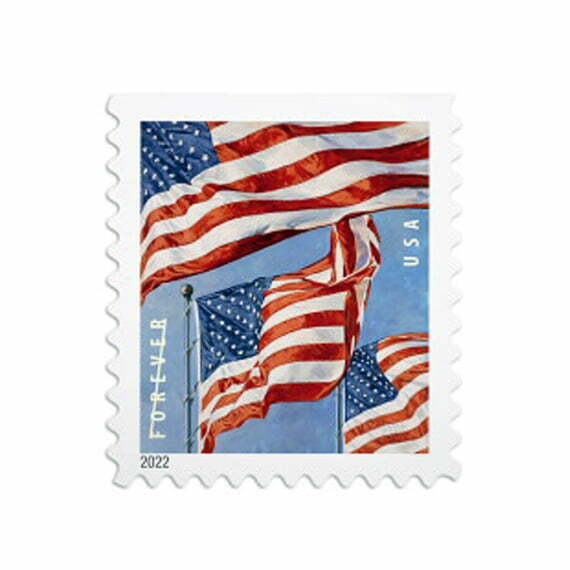
- Handling Recycled Fibers: Kraft envelopes are porous and can “wick” the moisture away from traditional gummed stamps. Self-adhesive surplus Flags are a safer bet for these materials.
- Managing High-Gloss Coatings: If you use high-end coated mailers, standard stamps can slide off during high-speed sorting at the GAO-monitored facilities. We always reinforce these with a firm press or a secondary adhesive layer.
- Addressing Acrylic and rigid inserts: If an invoice or invitation has a hard insert, it will immediately trigger the non-machinable rate, regardless of weight. Using a butterfly-themed non-machinable stamp signals to the clerk that you have already paid the required premium.

Security Against “Ghost Packaging” Faults
In the high-volume corridors of Chicago, we are constantly on the lookout for “Ghost Postage”—counterfeit stamps that might look real but lack the infrared and ultraviolet (UV) markers. When a business uses these, they aren’t just committing a crime; they are signaling that their internal quality control is non-existent.
I’ve seen mail seized because the ‘thickness’ of the stamp didn’t match the USPS standard. Counterfeiters often use a different grade of paper that is slightly heavier or shinier. When that stamp hits the sorter, the sensor flags it as an ‘Invalid Object.’ All the informations provided by social media ads about ‘Overstock’ is usually a lie designed to bait businesses into this trap.
To avoid these disruptions, you must source from verified packaging stamps resellers. Authenticity isn’t just a legal requirement; it’s a mechanical one. If the phosphor tag doesn’t glow, the sorting machine doesn’t see it. In a city where time is money, being invisible to the machine is the most expensive mistake you can make. Refer to the USPS OIG reports for the latest data on counterfeit detection techniques at major hubs.
Final Technical Thought: The Integrity of the Packet
A package is an extension of your business’s engineering. By matching your packaging to the correct USPS rules and applying verified packaging stamps, you ensure that your information reaches its destination without friction. The Windy City doesn’t forgive logistical weakness. Master the geometry, respect the material science, and trust the rules of the stream. Your delivery success depends on the architecture of your envelope.
It don’t feel right to call an envelope ‘engineered,’ but from where I sit in the Chicago hub, that’s exactly what it is. Stock your mailroom with the correct denominations, calibrate your scales, and never assume flexibility. The mail must move, and with the right architecture, it will move flawlessly.

USPS professional based in New York with over 12 years of experience in postal operations. She writes about Forever Stamps, offering practical guidance on safe purchasing and mailing practices while closely following USPS policy updates.