The Boston Ledger: What Your Business Stamps Usage Says About Your Operational Health
The Boston Ledger: What Your Business Stamps Usage Says About Your Operational Health
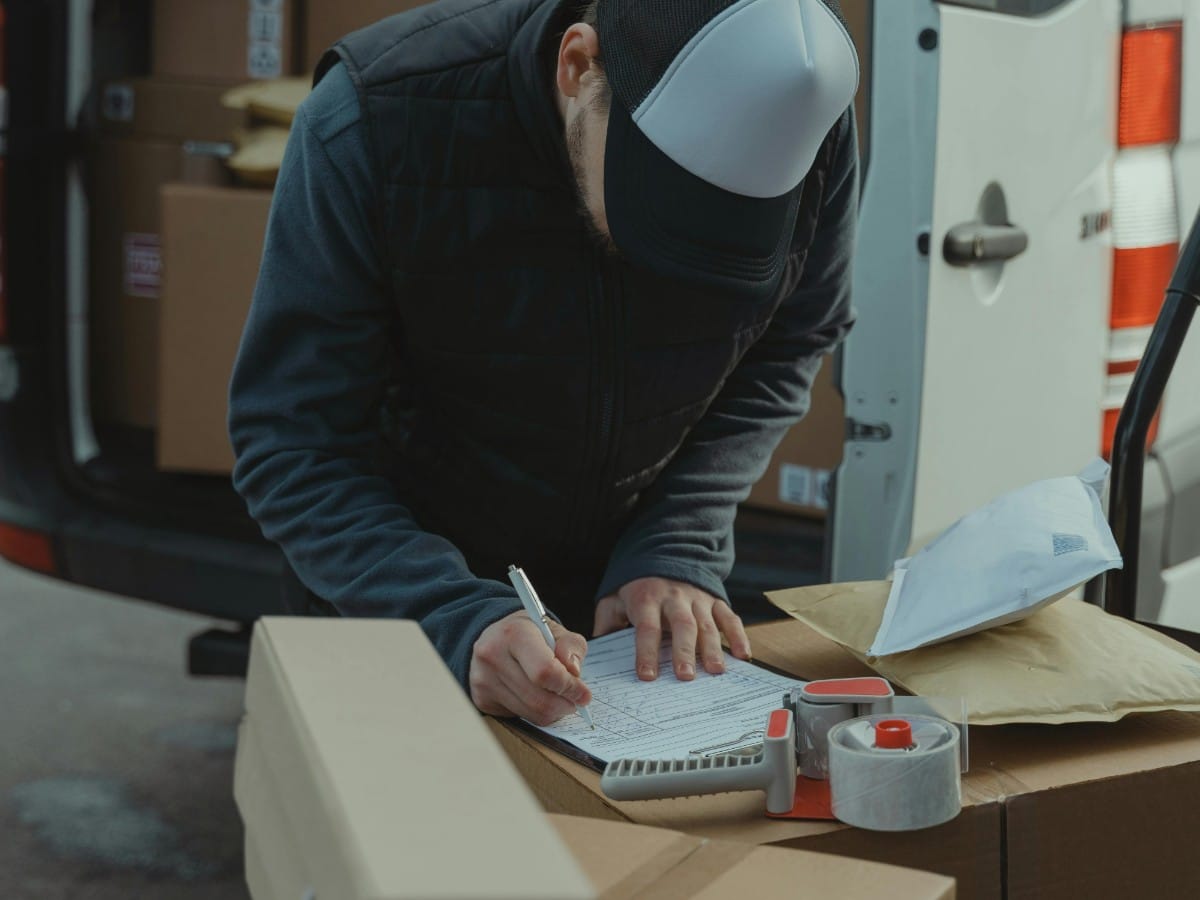
There is a specific sound inside a Beacon Hill law firm in February. It’s the hiss of the steam radiator, the rattle of the old sash windows, and—if the firm is healthy—the rhythmic thump-thump-thump of the postage meter.
I’ve been the office manager at “Hennessey & Associates” for fifteen years. We are the “Old Guard.” We have mahogany desks. We have a library of books that actually get read. And we mail things. A lot of things.
Three years ago, a young associate named Kyle tried to disrupt my mailroom. “Jessica,” he said, waving his iPad, “Paper is dead. We need to go 100% digital. Why are we spending $10,000 a year on stamps?”
I didn’t argue. I just waited.
Two weeks later, a Nor’easter hit. The power grid in downtown Boston flickered and died. The servers went down. The “Cloud” evaporated. Kyle was panicking because he couldn’t email the critical merger documents that were due by 5 PM.
I walked into his office with a battery-powered lantern and a stack of physical envelopes, legally stamped with 2022 US Flags.
“I set the envelopes on his desk. He looked at them like they were alien artifacts. ‘The courier is outside,’ I said. ‘He can’t email the documents, but he can drive them to the courthouse.’ Kyle signed the papers by flashlight. We mailed them throughout the blizzard. We made the deadline. He were sure—Kyle—that technology was the only way. But that night, he learned that physical infrastructure is the ultimate backup plan. He never questioned my stamp budget again.”
In 2026, analyzing your business stamps usage isn’t just about counting costs; it’s about understanding the pulse of your firm. A dip in mailing often precedes a dip in billing. A spike in “Rush” stamps means your workflow is broken. Here is how I use postage patterns to forecast our growth and protect our margins.
The “Usage Rhythm”: Decoding the Patterns
I track our stamp consumption like a stock ticker. It tells me more about the firm’s health than the P&L statement.
| Usage Pattern | What It Means | Jessica’s Action Strategy |
|---|---|---|
| Steady Coil Consumption | Healthy, predictable billing cycles. | Buy 3-month supply of bulk stamps (Hedge). |
| Spike in “Postage Due” | New interns are messing up the weights. | Mandatory training on the digital scale. |
| Surge in “Priority” Stamps | We are procrastinating. Panic mailing. | Flag to partners: Workflow bottleneck. |
Best Deals on Forever Stamps
The “Hedge” Strategy: Why We Ignore the New Releases
Kyle once asked, “Why don’t we use the new Space stamps? They look cool.”
I explained the “Boston Hedge.”
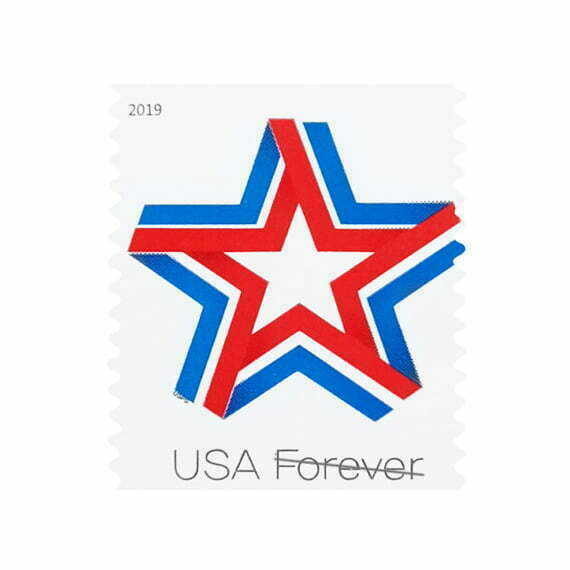
The 2026 Space stamps cost $0.78 (Retail).
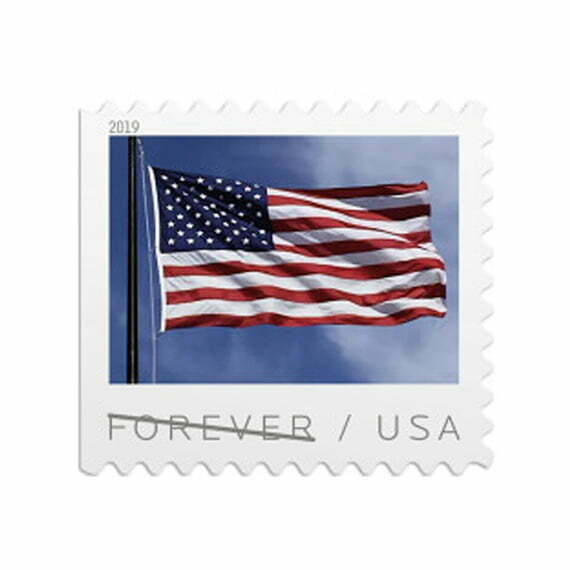
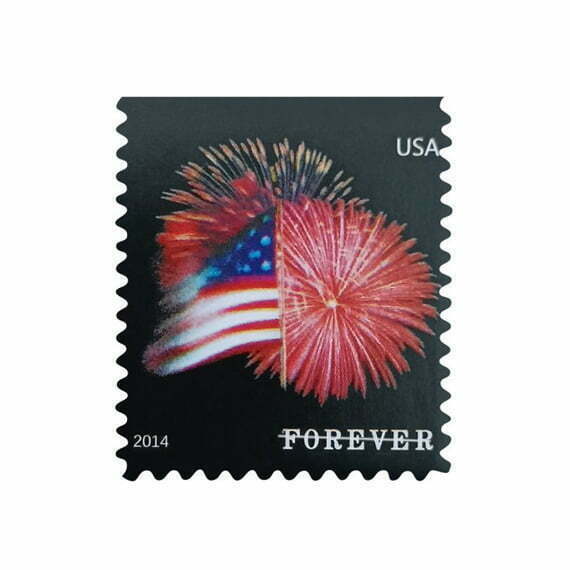
The 2024 US Flag stamps (Surplus) cost $0.62.
We send 25,000 pieces of mail a year.
The Delta: $4,000.
“Kyle,” I said, “That $4,000 pays for the holiday bonus pool. Do you want cool stamps, or do you want a bonus?”
He wanted the bonus.
By purchasing legacy Forever stamps through verified surplus channels, we lock in our costs. With USPS data hinting at an $0.82 rate in July 2026, my inventory of $0.62 stamps is appreciating in value every single day. I am not just an office manager; I am an asset manager.
Mapping the Supply Chain: Trust But Verify
In the legal world, chain of custody is everything. I apply the same rigor to our procurement.
1. The “Official” Baseline (USPS.com)
For Certified Mail and International Registered mail, we go direct to USPS. We pay full price.
Why? Because if a stamp is fake on a Certified Letter, the court can throw out the proof of service. We don’t risk disbarment for $0.16.
2. The “Wholesale” Engine (The USPS Stamps)
For our 95% volume (General Correspondence), we use The USPS Stamps or Forever Stamp Store.
These are Authorized Resellers of surplus. They buy liquidations.
The Verification: When a new batch arrives, I pull a random strip of 10. I check the hydration-activated glue. I check the phosphor tag under UV. Only when they pass do they enter the “Live Inventory.”
3. The “Blacklist” (Social Media Discounts)
I saw an ad for “70% Off Stamps” on a sidebar. I clicked it just to see.
The “About Us” page was blank. The contact email was a Gmail address.
All the informations were red flags. I blocked the domain on our server. It don’t feel right to even let our staff see those ads. If you buy fake stamps, you are funding criminal enterprises. Not on my watch.
The Forecasting Math: Preparing for Q3
We are currently in Q1 2026. Our usage data predicts a 20% surge in Q3 (Merger Season).
Simultaneously, the Postal Regulatory Commission is signaling a rate hike.
My Move: I am pre-buying 10,000 stamps today.
The Math:
- Cost Today (Surplus): $6,200.
- Cost in July (Retail New Rate): $8,200.
- Net Asset Value Gain: $2,000.
I presented this to the Senior Partner. He didn’t blink. “Execute the trade, Jessica.”
Final Narrative: The Tradition of Reliability
The snow is melting on Beacon Hill now. The radiators have quieted down. But the thumping of the postage meter continues.
In a world of fleeting digital pings, a physical letter on 100% cotton bond paper, bearing a classic US Flag stamp, carries weight. It says we are here. It says we are real.
And thanks to the “Boston Hedge,” it says we are smart enough to stay here for another hundred years. Analyze your usage. Verify your sources. And never apologize for being old school—especially when the power goes out.
🚀 Strategic Insights for You:
Expert Usage Tips for Forever Stamps

Retired USPS mailroom supervisor with 30 years of service in Chicago. He now contributes columns on Forever Stamps, sharing trusted advice on spotting counterfeit risks and finding reliable discount deals for everyday mailers.