The Windy City Admissions Race: Scaling Mailing Capacity Without Crushing the Budget

The Windy City Admissions Race: Scaling Mailing Capacity Without Crushing the Budget

The wind off Lake Michigan in February doesn’t just cut through your coat; it rattles the windows of the Admissions Office on the 4th floor. We call this “Acceptance Season.” It’s the three-week window where we have to mail 15,000 thick, life-changing envelopes to high school seniors across the country.
I’m the Registrar for a mid-sized Chicago university system. My job isn’t just to say “Yes” to students; it’s to make sure they get the letter that says “Yes.”
Four years ago, we tried to “modernize.” A consultant told us that Gen Z doesn’t care about mail. “Send them an email,” he said. “It’s instantaneous. It’s free.”
We did.
Our enrollment yield dropped by 18%.
We did a survey. The students told us: “I didn’t feel accepted. I just got a PDF.”
“I sat in the Dean’s office looking at the enrollment numbers. The silence was louder than the heater. We had saved $12,000 on postage and lost $4 million in tuition revenue. I learned a brutal lesson that day: The medium is the message. A physical acceptance packet—heavy, textured, stamped—is a psychological contract. An email is just noise. We pivoted back to paper immediately, but now we had a new problem: How do you afford to mail 15,000 heavy packets without bankrupting the department?”
In 2026, scaling stamps capacity is about balancing the psychological need for physical mail with the financial reality of enterprise postage costs. Here is how we scaled our operation from a chaotic mailroom to a precision logistics machine.
The Ghost of O’Hare: Why Cheap Stamps Kill Dreams
In our panic to pivot back to paper, we made Mistake #2. We needed stamps fast and cheap.
I authorized a purchase of 10,000 stamps from a “liquidation site” that offered a 35% discount.
We mailed the first batch of 2,000 acceptances.
Three days later, I got a call from the USPS Sort Facility near O’Hare.
“Mr. Lee,” the postmaster said. “We have seized 40 trays of your mail. The stamps are counterfeit.”
40 trays. 2,000 students.
Those students weren’t waiting for a bill. They were waiting for their future.
It don’t feel right to describe the panic I felt. We had to reprint everything. We had to buy new stamps at full retail. We had to overnight the packets. That $3,000 “savings” cost us $25,000 in emergency remediation.
The Enterprise Rule: If the discount is over 25%, it’s fake. If it’s fake, you are liable.
Best Deals on Forever Stamps
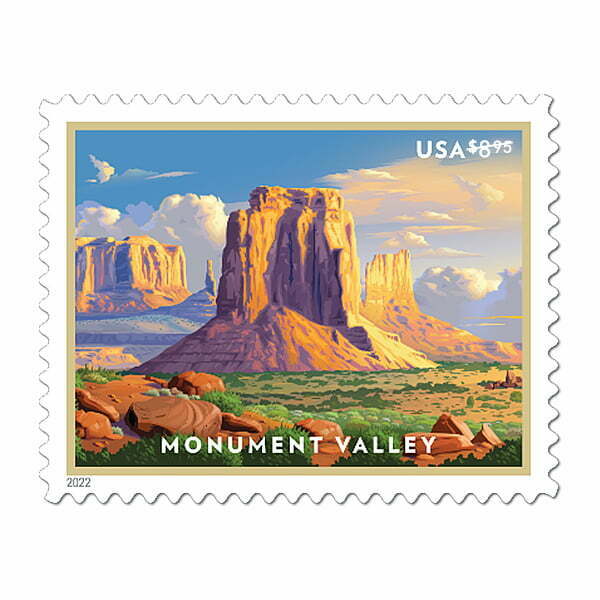

Standardization is the Only Way to Scale
After the O’Hare disaster, I locked down our procurement.
We stopped buying “cute” stamps. We stopped letting the interns pick the designs.
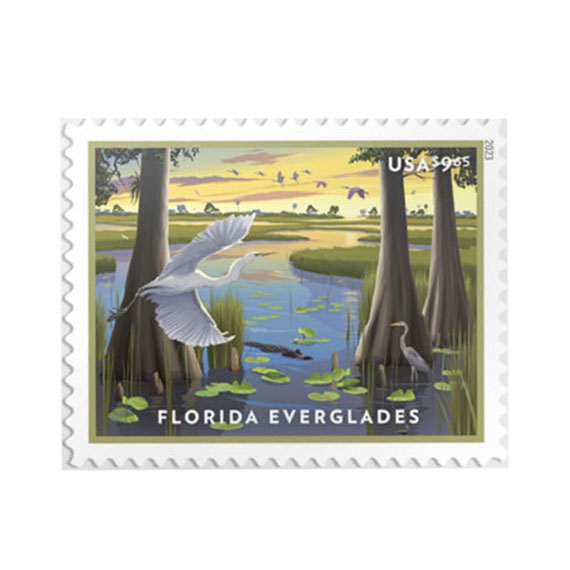
We standardized on one SKU: The US Flag Coil (2023-2024 Surplus).
Why only the Flag?
- Automation Compatibility: We use high-speed afixing machines. They jam on “sticker sheets.” They run smooth on coils.
- Availability: Surplus resellers always have millions of Flags. They run out of “Pugs” or “Flowers.”
- Authority: An acceptance letter looks official with a Flag. It looks like a wedding invite with a Flower. We are a university, not a banquet hall.
The Enterprise Procurement Map
We now have a “Tiered Sourcing Model” for our bulk mailing strategy.
Tier 1: High-Stakes Legal (USPS.com)
For international student visas (I-20 forms) and legal contracts, we use USPS. We pay full retail ($0.78). We need the 100% chain of custody for federal compliance.
Tier 2: The “Volume Engine” (Forever Stamp Store)
For the 15,000 acceptance packets, we go to Forever Stamp Store or **The USPS Stamps**.
We buy in bulk—usually 50 coils (5,000 stamps) at a time.
Because these are surplus 2024 inventory, we pay ~$0.62 per stamp.
The Math:
- Retail Cost: 15,000 x $0.78 = $11,700.
- Surplus Cost: 15,000 x $0.62 = $9,300.
- Savings: $2,400.
That $2,400 funds the “Accepted Student Day” catering.
Tier 3: The “Emergency” Valve (CVS)
If a machine jams and ruins a coil at 4 PM on a Friday, we send a runner to CVS. We pay retail. It hurts, but stopping the line hurts more.
| Procurement Channel | Enterprise Scaling Score | Security Verification | Enterprise Use Case |
|---|---|---|---|
| Official USPS.com | Moderate (Limits) | Absolute | Visa Documents |
| Forever Stamp Store | Extreme (Bulk Specialist) | Verified High | Acceptance Packets (90% Volume) |
| Social Media Ads | Zero (Fraud) | Zero | BANNED |
The “Hedge” Against July 2026
In higher ed, budgets are set in July (Fiscal Year). But the USPS prices also change in July.
This is a dangerous collision.
If we budget $40,000 for postage in June, and rates go up 5% in July, we are suddenly $2,000 over budget before the semester starts.
Our Strategy: We pre-buy the entire Fall Semester inventory in May.
We are currently sitting on 30,000 stamps in our safe. We bought them at $0.62.
If the rate goes to $0.82 in July, we have saved the university a massive sum. And more importantly, my budget line is green.
Some of those website sells the idea that inventory is a liability (lean management). In 2026 postage, inventory is an asset.
Final Narrative: The Weight of the Letter
Yesterday, I walked past the mailroom. The machines were humming. Thousands of thick, white envelopes were stacking up in the bins.
Each one had a US Flag stamp on it.
I picked one up. It felt heavy. It felt real.
I thought about the 17-year-old kid in Naperville or Bronzeville who is going to open this next Tuesday. They are going to see the stamp. They are going to feel the paper. And they are going to know that they belong here.
We scaled the process, but we kept the soul. And that’s worth every penny of the $0.62.
🚀 Strategic Insights for You:
Expert Usage Tips for Forever Stamps

Stamp enthusiast and part‑time columnist based in Los Angeles. With a background in office administration and a personal passion for collecting Forever Stamps, she provides readers with practical tips on buying, storing, and using stamps effectively.