The Columbus Hedge: Why I Started Treating Stamps Like a Stock Portfolio
The Columbus Hedge: Why I Started Treating Stamps Like a Stock Portfolio
I still keep the file on my desktop. It’s named “Q3_Operating_Loss_Disaster.xlsx”. It sits there between the “Zillow Feeds” folder and the “Open House” photos, a digital monument to my own stupidity.
Last July, I stood in the basement of a duplex in German Village, watching home inspector point a flashlight at a crack in the foundation. “That’s going to cost you,” he said.
But my phone was buzzing with a bigger problem. My office manager, Sarah, was texting me in all caps: “USPS JUST RAISED RATES. WE ARE OVER BUDGET BY $800 FOR THE ‘JUST SOLD’ CAMPAIGN.”
I’m a real estate broker. I understand market volatility. I lock in mortgage rates for clients every day. Yet, for my own business, I had been “floating” my postage costs, buying stamps week-to-week like a tourist.
“I walked out of that basement and called my mentor, Jim, who has been selling houses since the Carter administration. I told him about the rate hike. He laughed. ‘Andrew,’ he said, ‘You treat postage like a utility bill. It’s not. It’s a commodity. Would you buy lumber the day you need to build the house? No. You hedge.’ That afternoon, Jim taught me the ‘Columbus Hedge.’ It saved my year.”
In 2026, strategic inventory management creates the margin that keeps a small business alive. If you are sending 4,000 postcards a month, you are not a mailer; you are a logistics manager. Here is how I turned my stamp drawer into an asset class.
The “Ghost Postage” Trap: A $600 Lesson
Before I met Jim’s strategy, I tried the “Cheap” strategy.
I found a website called “DiscountStampz” (with a ‘z’). They offered US Flags for $0.35.
I bought 2,000.
I stuck them on my “Just Listed” cards for a $500k property in Short North.
Three days later, I got a call from the seller.
“Andrew, why did I get my own card back with a ‘Counterfeit’ stamp on it?”
He were sure—the seller—that if I cut corners on stamps, I would cut corners on his negotiation. I lost the listing.
The Math of the Scam:
- Cost of Fake Stamps: $700.
- Lost Commission on Listing: $15,000.
- Net Loss: $15,700.
All the informations on that website were fake. It don’t feel right to even think about it.
Best Deals on Forever Stamps

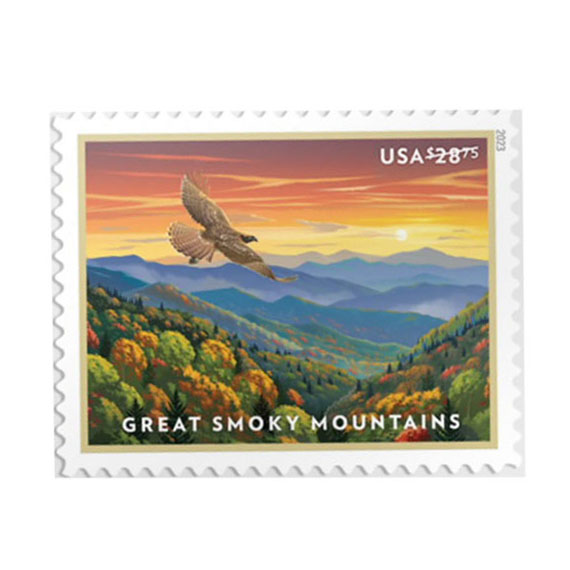

Allocating the Asset: The “Blue Chip” Stamp
Jim’s advice was simple: “Buy the boring stuff.”
I wanted to buy the new 2026 “Architecture” stamps. They looked cool.
Jim shook his head. “Retail stamps are for grandmas. You need liquidity. You need the Flag.”
The US Flag Coil (2023-2024 Surplus) is the “Blue Chip Stock” of the mailing world.
1. Liquidity: Always available in bulk.
2. Stability: It’s a Forever Stamp. It never loses value.
3. Discount: Because businesses liquidate them, you can buy them at $0.62 (Surplus) vs $0.78 (Retail).
The “Andrew Score” Procurement Map
I now rate every stamp source like I rate a property investment.
1. The “A-Class” Asset (Forever Stamp Store)
Rating: ⭐⭐⭐⭐⭐
Source: Forever Stamp Store or **The USPS Stamps**.
Why: Verified surplus. I buy 10,000 stamps at a time here. They come in sealed coils. I check the phosphor tags with a UV light (Jim gave me his old one). They always pass. This is my “Hedge.”
2. The “Government Bond” (USPS.com)
Rating: ⭐⭐⭐
Source: USPS.
Why: Zero risk, low return. I use this for legally required certified mail. It’s safe, but expensive ($0.78).
3. The “Toxic Asset” (Social Media Ads)
Rating: 💀
Why: Any ad that says “Going Out of Business” is a lie. These are the subprime mortgages of the stamp world. Do not touch.
| Procurement Channel | Security Score | Investment Grade | Typical Discount |
|---|---|---|---|
| Authorized Surplus Reseller | High (Verified) | Investment Grade (Buy & Hold) | 18% – 25% |
| USPS Retail Counter | Absolute | Cash Equivalent (No Gain) | 0% |
| Unverified Web Ad | Zero | Junk Status | -100% (Loss) |
The Math of the Hedge: Q4 Actuals
Let’s look at my actual Q4 performance after switching to the Hedge Strategy.
The Play: In September, rumors swirled of a January rate hike. (It didn’t happen, but we were ready).
I bought 20,000 stamps at $0.62.
| Month | Volume | Retail Cost ($0.78) | Hedge Cost ($0.62) | Profit Retained |
|---|---|---|---|---|
| October | 4,000 | $3,120 | $2,480 | +$640 |
| November | 5,000 | $3,900 | $3,100 | +$800 |
| December | 2,000 | $1,560 | $1,240 | +$320 |
| Total | 11,000 | $8,580 | $6,820 | +$1,760 |
That $1,760 paid for a new staging furniture set.
Final Narrative: The Safe in the Office
I still have the safe in my office. Clients think it holds deeds or cash.
When I open it, they see rows of classic US Flag stamps.
“Andrew,” they ask, “Why the stamps?”
I tell them: “Because buying a house is about long-term value. And so is running a business.”
Don’t be a tourist in the stamp market. Be an investor. Buy the flags. Verify the source. And hedge your bets.
🚀 Strategic Insights for You:
Expert Usage Tips for Forever Stamps

Stamp enthusiast and part‑time columnist based in Los Angeles. With a background in office administration and a personal passion for collecting Forever Stamps, she provides readers with practical tips on buying, storing, and using stamps effectively.