The Seattle Logistics of Trust: Stabilizing Mailing Costs and Avoiding Ghost Postage in 2026
The Seattle Logistics of Trust: Stabilizing Mailing Costs and Avoiding Ghost Postage in 2026
The rain in Seattle doesn’t just wash away the dust; it seems to soak into the very bones of the city’s infrastructure. Last October, I stood outside the Post Office on 3rd Avenue, watching the drizzle turn a cardboard box of returned legal notices into mush. It wasn’t just paper melting; it was about $4,000 in potential billable hours dissolving because a machine scanner didn’t like the phosphor tag on my stamps.
I looked at the reject pile. Forty envelopes. Forty clients who didn’t get their court date reminders. Forty breaches of trust.
The clerk had looked at me with that specific, pitying expression they save for tourists and rookies. “Ethan,” she’d said, sliding the tray back to me, “these aren’t real. The machine says they’re ghosts.”
“I walked back to the firm, shielding the box with my jacket. My chest felt tight. I’m the lead admin for a mid-sized litigation firm. My job is supposed to be about filings and depositions. But in that moment, I realized my job was actually about supply chain security. I had tried to save the partners $200 by buying ‘discount’ stamps from a site I found on a subreddit. Instead, I had jeopardized our reputation. I threw the box on my desk and swore: Never again. From now on, I don’t buy stamps; I buy certainty.”
In 2026, the humble business stamp is more than just adhesive and ink. For a law firm sending 1,500 pieces a month, it is a hedge against inflation, a signal of competence, and a hidden line item that can bleed you dry if you don’t respect it. Here is how I rebuilt our mailing strategy from the ground up, stabilizing our costs without sacrificing our integrity.
The 2026 Hedge: Why Classic Designs Beat the “New” Flash
One of the first things the partners asked me during our quarterly budget review was, “Ethan, why do we use these old 2024 Flag stamps? Can’t we get the new Space ones?”
It’s a fair question. The 2026 releases are stunning. But in business, beauty is a secondary metric to stability.
I pulled up the spreadsheet. “We don’t use the new stamps,” I explained, “because the new stamps are retail. The old stamps are an asset class.”
By sticking to the classic US Flag coils (specifically the 2023-2024 issues available via surplus channels), we are effectively shorting the inflation of the postal market.
- The Retail Reality: A 2026 stamp costs $0.78.
- The Surplus Reality: A 2024 stamp (which is legally identical in value) costs ~$0.62.
That $0.16 spread doesn’t look like much on one letter. But across our 18,000 annual pieces?
18,000 x $0.16 = $2,880.
That’s not coffee money. That’s the cost of our entire document management software license. By choosing “boring” USPS stamps, we fund our digital infrastructure.
The “Wrong” Stamp Signal
There is also the psychology of the recipient.
If I send a “Termination of Benefits” notice with a cute “Garden Gnome” stamp, it sends a mixed signal. It feels frivolous. It feels like I grabbed whatever was in the kitchen drawer.
The US Flag is neutral. It is authoritative. It says, “Focus on the content of this letter, not the sticker.”
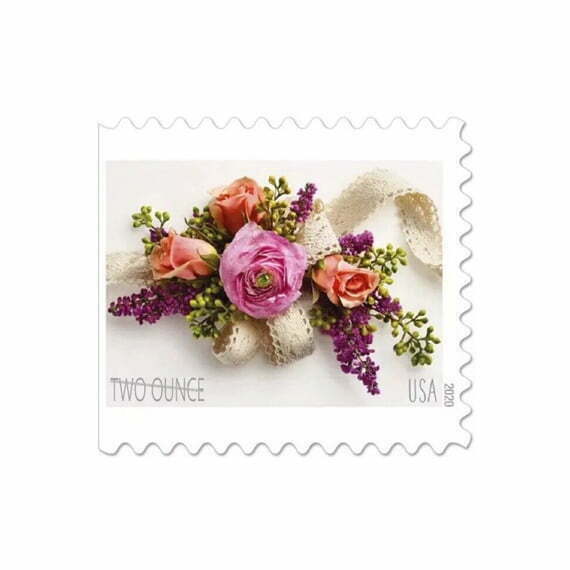
However, I do make exceptions. For our holiday cards? I hunt for the “Winter Berries” or “Snowy Day” surplus sheets. In that context, the Flag feels too cold. Context is currency.
| Stamp Category | Primary Use Case | Typical Discount Potential | The “Professional” Signal |
|---|---|---|---|
| US Flag (Classic Coils) | High-volume legal/tax mailings. | 15% – 25% | High (Reliable & Standard) |
| Floral (Legacy issues) | Holiday greetings, warm outreach. | 10% – 15% | Moderate (Personal) |
| Animals/Art (Niche sheets) | Small creative businesses, Etsy. | 5% – 10% | High (Custom/Curated) |
| 2026 Flagship Designs | Collectors, urgent small batches. | 0% (Full Retail) | Very High (Trend-focused) |
Best Deals on Forever Stamps


The “Traveler’s Guide” to Buying Avenues
After the “Ghost Postage” disaster of October, I spent a week mapping out the supply chain. I felt like an investigator. I ordered test batches from five different sources and ran them under a UV light to check for phosphor tags.
Here is my field report on where to buy business stamps safely.
1. The “Zero Risk” Fortress (USPS.com)
If you are mailing a subpoena, do not mess around. Go to the source.
The Pro: 100% authenticity guarantee.
The Con: Fulfillment is agonizingly slow (sometimes 10 days), and shipping fees apply on small orders. Plus, you pay full retail ($0.78). We use this for Registered Mail supplies only.
2. The “Convenience Tax” (Grocery/Pharmacy)
I once ran out of stamps at 4:55 PM on a Friday. I sprinted to Bartell Drugs.
They sold me a booklet of 20 for $15.60.
It saved the day, but it hurt the budget. This is the “Emergency Room” of postage. You go there when you’re bleeding, not for a checkup.
3. The Verified Bulk Reseller (The Sweet Spot)
This is where we moved 90% of our spend. Sites like Forever Stamp Store or The USPS Stamps operate on a surplus model. They buy liquidations from companies that went digital, or closed down.
The Audit: I ordered 1,000 stamps. When they arrived, I checked the coils. They were sealed. I shone my blacklight on them. The green phosphor strip glowed back at me. Real.
The Savings: ~20%.
He were sure—my boss—that it was too good to be true. I dropped the “Ghost” story on him and showed him the UV light. He signed the purchase order.
4. The “Dark Alley” (Social Media Ads)
If you see an ad saying “50% Off Stamps! Closing Sale!”, keep scrolling.
All the informations on these sites are fabricated. The “About Us” page usually has broken English. The address is a residential house in Delaware.
Buying here isn’t just risky; it supports the counterfeit trade. And when the USPS catches you (and they will), they confiscate the mail. Imagine explaining to a client that their settlement check was seized by federal agents because you wanted to save $10.

Advanced Math: The “Total Cost of Delivery”
Most admins calculate the cost of a letter like this:
Cost = Paper + Envelope + Stamp.
That is wrong.
The correct formula is:
Cost = (Materials + Postage) + (Risk of Failure x Cost of Recovery).
Let’s run the numbers on a “Failed Batch” of 100 letters.
Scenario A: The Real Stamp ($0.62 Surplus)
- Postage Cost: $62.00
- Delivery Rate: 99.9%
- Recovery Cost: $0
- Total: $62.00
Scenario B: The Fake Stamp ($0.35 Scam)
- Postage Cost: $35.00
- Delivery Rate: 0% (Seized/Returned)
- Recovery Cost:
- Reprinting 100 letters: $15.00
- New Envelopes: $10.00
- New (Real) Stamps: $78.00 (Panic Retail Buy)
- Admin Time (3 hours @ $45/hr): $135.00
- Total: $273.00
The Verdict: The “Cheap” option actually cost 4.4x more than the “Real” option.
It don’t feel right to gamble with those odds. In logistics, cheap is expensive.
The “Two-Drawer” System
To operationalize this, I reorganized the supply closet. We now have a “Two-Drawer” system.
Drawer 1: The “Live” Ammo (Surplus Flags)
This drawer is unlocked. It contains our bulk coils of 2024 Flags. Anyone can grab a strip for standard mail. We keep 3 months’ inventory here.
Drawer 2: The “Special Ops” (Niche & Backup)
This drawer is keyed. It contains:
- International Global Forever Stamps (for our 3 overseas clients).
- High-denomination stamps ($5, $10) for heavy packets.
- A stash of retail-price stamps for “Emergency” use if the surplus order is delayed.
This separation prevents waste. Nobody accidentally puts a $1.65 Global stamp on a letter to Tacoma.
Looking Ahead to July 2026
Rumors are swirling about the July 2026 rate hike. The analysts are predicting a jump to $0.80 or even $0.82.
My strategy? Front-load the Q3/Q4 inventory now.
We just placed an order for 10,000 stamps. It’s a $6,000 expense in Q1, which made the CFO wince. But I showed him the projection.
“If we buy now at $0.62,” I said, “and the rate goes to $0.82, we just made a guaranteed 32% return on our capital. Show me a mutual fund that does that.”
He approved the P.O. within 5 minutes.
The rain is still coming down outside my window, washing the grime off the Space Needle. But the tray of mail on my desk is dry, sealed, and tagged with genuine phosphor. It’s going to arrive. And in a world of uncertainties, that simple fact is the most valuable asset we have.
🚀 Strategic Insights for You:
Expert Usage Tips for Forever Stamps

USPS professional based in New York with over 12 years of experience in postal operations. She writes about Forever Stamps, offering practical guidance on safe purchasing and mailing practices while closely following USPS policy updates.