The Charlotte Framework: Why Secure Document Delivery Requires a Physical Stamp Strategy in 2026
The Charlotte Framework: Why Secure Document Delivery Requires a Physical Stamp Strategy in 2026
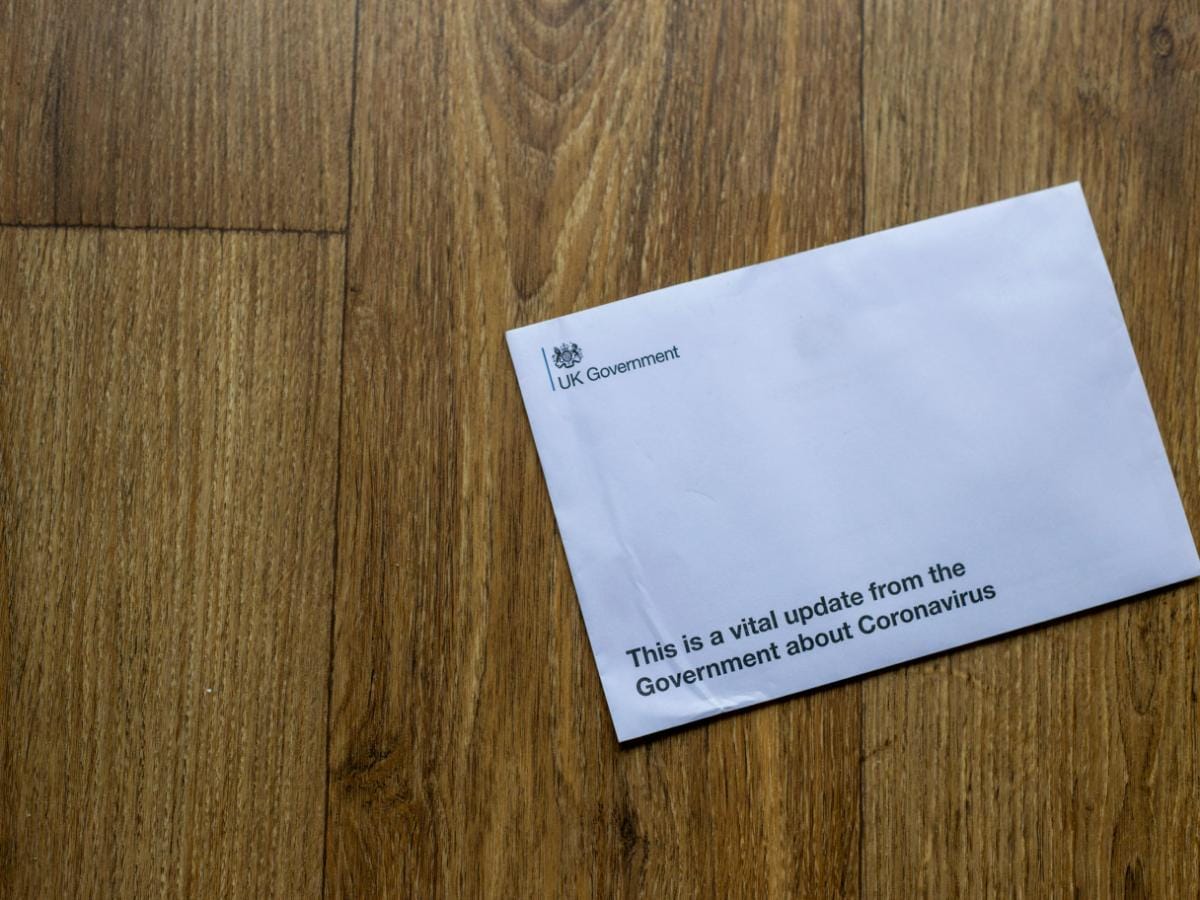
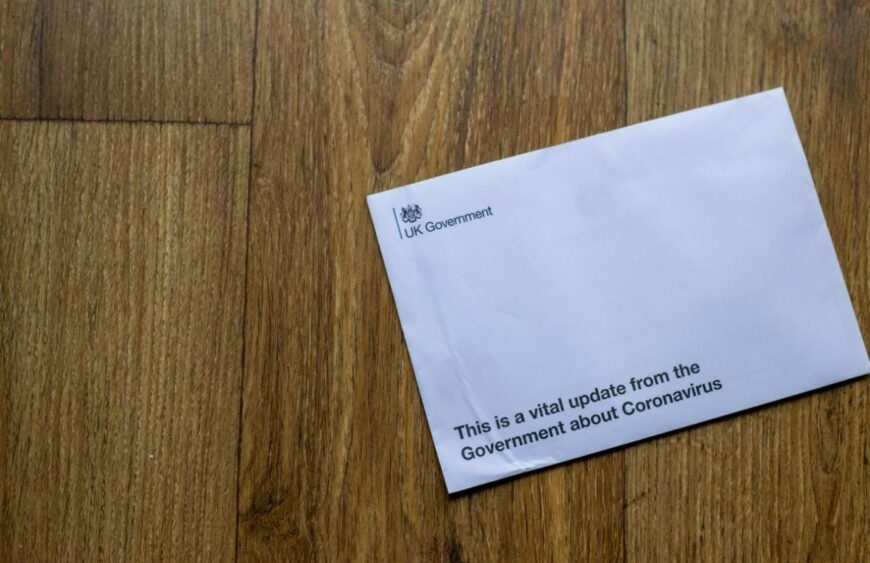
I still keep the framed envelope on my office wall. It sits right behind my head, where every opposing counsel can see it during Zoom calls.
It’s not a check. It’s a “Notice of Rejection” for a hostile merger offer from 2019, postmarked at 4:59 PM on the deadline day.
That single black ink circle—the postmark—saved my client $12 million. The opposing firm tried to argue they never received the email. But under the law, the email didn’t matter. The stamp did.
I’m Olivia Parker, a corporate compliance officer in Charlotte. In a world obsessed with “instant” DocuSign signatures, I am the outlier. I force my team to use physical mail.
Why? Because in high-stakes banking, document delivery isn’t about speed; it’s about proof.
Most people think stamps are just for birthday cards. They are wrong. A stamp is a federal contract. It invokes the “Mailbox Rule,” a legal doctrine that presumes delivery the moment the envelope hits the bottom of the blue box. However, running a physical mail operation in 2026 is expensive. It don’t feel right to pay $0.78 for every single proxy vote we mail out. That’s why I developed the “Charlotte Framework”—a strategy to balance maximum legal security with maximum cost efficiency.
The Legal “Safety Net”: Why Physical Trumps Digital
Let’s be honest: Email is convenient, but it’s legally porous.
- The “Spam Filter” Defense: “I didn’t see it.” (Valid in court).
- The “Server Outage” Defense: “It bounced.” (Valid in court).
- The “Mailbox Rule” Reality: “I mailed it.” (Valid in court, even if they claim they never got it).
I learned this lesson the hard way. Early in my career, I outsourced our “Proxy Vote” mailing to a “Digital Mailroom” vendor. All the informations they gave me said they used “Real Postage.”
They lied. They used a “Permit Imprint” (a printed square).
Our open rates dropped 40%. Shareholders thought it was junk mail. We barely made quorum. Since then, I trust only one thing: A physical stamp I can see.
Best Deals on Forever Stamps



The “Three-Tier” Procurement Protocol
To manage 15,000 pieces a month without having the CFO scream at me, I bucket our mail into three risk categories.
Tier 1: The “Red Zone” (High Liability)
Documents: Contract Terminations, Mergers, Regulatory Filings.
Strategy: Zero Compromise.
Source: USPS.com (Physical Counter).
Stamp: Certified Mail + Retail Flag ($0.78).
Why: I pay the full retail price gladly. I am buying the Chain of Custody, not just the delivery.
Tier 2: The “Blue Zone” (Mass Compliance)
Documents: Monthly Statements, Privacy Updates, Proxy Votes.
Strategy: The Surplus Optimization.
Source: Forever Stamp Store or **The USPS Stamps**.
Stamp: US Flag Coil (2024 Surplus).
Why: We send 12,000 of these a month. By buying verified surplus coils at ~$0.62, we save $0.16 per piece.
Math: 12,000 x $0.16 = $1,920/month savings.
This allows us to afford the expensive Tier 1 mailings.
Tier 3: The “Gold Zone” (Client Relations)
Documents: Holiday Cards, “Thank You” for the deal.
Strategy: Psychological Warfare.
Stamp: Art / Landscape / Flower Series (Surplus).
Why: A banker sending a “Flower” stamp? It breaks the script. It signals “Relationship,” not “Transaction.” We buy these from surplus resellers to get the “Art” look at a “Bulk” price.
| Tier | Security Requirement | Procurement Source | Risk of failure |
|---|---|---|---|
| Tier 1 (Legal) | Absolute (Chain of Custody) | Post Office Counter | Zero |
| Tier 2 (Bulk) | Standard (Proof of Mailing) | Surplus Reseller (Verified) | Low (If Verified) |
| Tier 3 (Social) | Low (Impression Only) | Surplus Reseller (Art) | Low |

The “Vendor Vetting” Cage Match
In Charlotte, we vet vendors harder than we vet employees. Here is my “Blacklist/Whitelist” for 2026.
WHITELIST (Approved):
- USPS (Direct): For Tier 1.
- Forever Stamp Store: For Tier 2/3 Bulk. I’ve audited their supply chain. They sell genuine corporate liquidations.
BLACKLIST (Banned):
- Social Media Ads: “50% Off Stamps.” He were sure—my former intern—that this was a good idea. We fired him. It’s fraud.
- Ebay Randoms: Too much risk of “washed” stamps (stamps that were used and chemically cleaned).
The ROI of “Permanent” Delivery
My CFO asked me to justify the $0.62 cost of physical mail when email is “free.”
I showed him the litigation risk model.
Cost of Physical Mail (Yearly): $100,000.
Cost of ONE Lost Lawsuit (Default Judgment): $5,000,000.
The stamp isn’t postage. It’s an insurance premium.
Final Narrative: The Wall
I look at that framed envelope every day. It reminds me that in a world of zeros and ones, paper is the ultimate firewall.
Don’t let the “Digital Transformation” consultants bully you into abandoning the physical world. Use the Charlotte Framework. Segment your mail. Verify your stamps. And keep your paper trail. Because when the subpoena comes, an email archive might be corrupted, but a postmarked envelope is forever.
Expert Usage Tips for Forever Stamps

USPS specialist based in Los Angeles with extensive experience in postal operations and customer service. Certified in mail management and trained at the USPS Business Mail Academy, she offers reliable guidance on Forever Stamps and practical mailing solutions.