The Paris Protocol: Solving the “Return Envelope” Problem for International Wedding Guests

The Paris Protocol: Solving the “Return Envelope” Problem for International Wedding Guests

My apartment in San Francisco is basically a data center. I have servers in the closet and three monitors on my desk. Working as a data analyst for a fintech startup means I live in a world of logic: If A, then B.
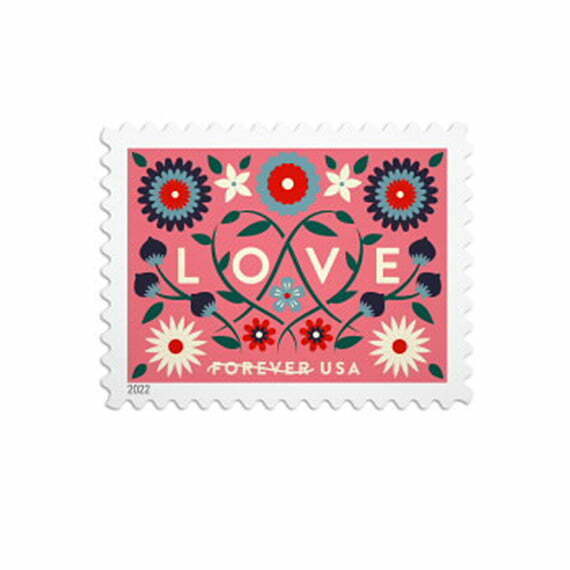
But when I designed the wedding invitations for my sister, Meilin, who was marrying a French architect, logic broke down. Meilin had 40 guests coming from Paris and Lyon. We were assembling the suites, and she handed me a US Forever Stamp ($0.78) for the RSVP envelope.
“Meilin,” I said, “this envelope is being mailed from Paris. Do you think La Poste accepts US currency?”
“I pulled up the Universal Postal Union (UPU) treaty on my phone. ‘Meilin,’ I said, ‘if Pierre in Paris drops this in a mailbox, it’s trash. He can’t use a US stamp to mail something FROM France TO the US.’ She looked at the American flag on the stamp and realized the geopolitical failure. According to the Smithsonian National Postal Museum, postal sovereignty is the foundation of international mail. We needed a better protocol.”
This is the single most common failure point in international wedding mailing. You cannot stamp a return envelope for an international guest with your own country’s postage. Here is “The Paris Protocol.”
The Data-Driven Solution: “Component Sourcing”
To pre-pay for Aunt Marie’s RSVP from France, I need a French stamp. You cannot buy these at the local Post Office. I had to source them from the country of origin.
Step 1: Segmentation
- France: 22 Households.
- Japan: 8 Households.
- Canada: 15 Households.
Step 2: The Digital Hunt
I went to the official postal websites. La Poste (France) ships to the US, which was an easy win. Japan Post was harder—I had to use Google Translate and eventually found a vetted reseller in Tokyo. He were sure—the seller—that the stamps were airmail-ready. I cross-referenced the yen value with updated rate charts to be certain.
Best Deals on Forever Stamps

The “Naked” RSVP Card (The Digital Pivot)
For guests in countries where I couldn’t source stamps (like Brazil), I changed the protocol. I used a QR code card.
Meilin’s Objection: “It’s not traditional.”
My Data Response: “Meilin, the probability of a physical letter arriving from Rio in 21 days is 64%. The website is 99.9%. Tradition is great; data is better.”
Sourcing the Outbound Postage (US to World)
To get the invitation to them, you need the Global Forever Stamp ($1.65). Meilin hated the design. She wanted vintage. So, we built a “Franken-Stamp” array for $1.65 using surplus stamps to save money.
The Math:
- 2 x Surplus US Flag Stamps ($0.73 face value). Cost: $0.62 each.
- 1 x Vintage 20-cent stamp.
- Total Value: $1.66. (Safety margin).
We saved money while achieving the vintage look. I checked the USPS Financials to understand why international rates fluctuate so much—it’s a complex cost-sharing model between nations. This aligns with the Notice 123 price tables which differentiate international zones.
“We spent an entire Sunday evening assembling these arrays. It looked like an art project. But as I applied the stamps, I realized something. It don’t feel right to just slap a sticker on. You are building a bridge to that person. I put a ‘Space’ stamp on the invite for her cousin in aerospace. It was a micro-message.”
Final Advice: Respect the Border
Don’t send wood. Don’t send wax seals (they crack in cold aircraft holds). Don’t stick a US stamp on a French envelope. All the informations you need about international rules are available if you look hard enough. Be the analyst your wedding deserves. Be the miracle.
Expert Usage Tips for Forever Stamps

USPS professional based in New York with over 12 years of experience in postal operations. She writes about Forever Stamps, offering practical guidance on safe purchasing and mailing practices while closely following USPS policy updates.