The Physical Edge: Why Notification Stamps Outperform Email for Critical Customer Alerts
The Physical Edge: Why Notification Stamps Outperform Email for Critical Customer Alerts
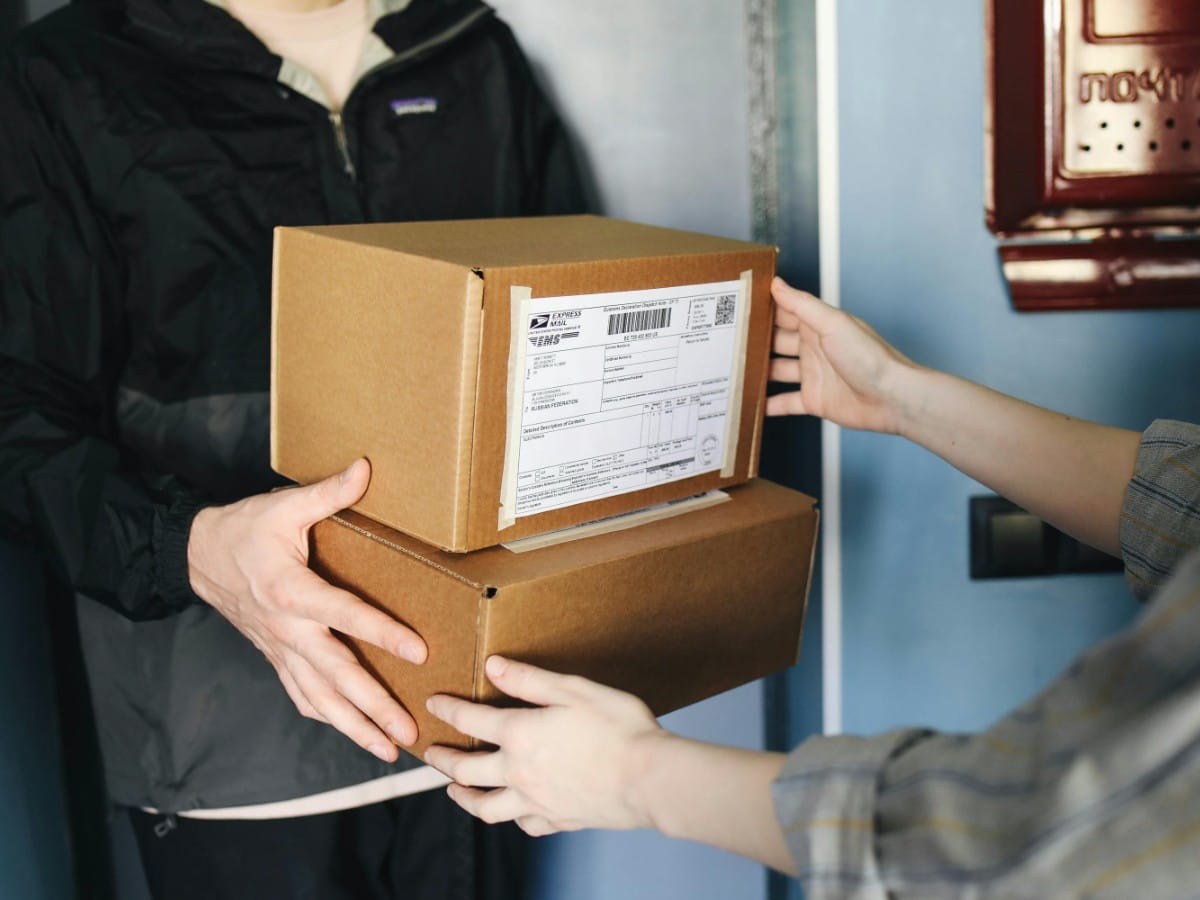
The academic weight of Boston isn’t just felt in the classrooms of Cambridge; it permeates the way we communicate in business. As a Customer Experience (CX) lead for a specialized medical billing and insurance consultancy, I’ve spent the better part of a decade trying to solve the “Attention Deficit” problem. With the average consumer receiving over 120 emails a day, critical notifications—appointment changes, compliance updates, or benefit alerts—often disappear into the digital void. We found that the most effective way to break through the noise isn’t another push notification; it’s the tactile, high-authority presence of a physical letter. The psychology of notification stamps is our secret weapon for maintaining a 98% engagement rate.
According to the Smithsonian National Postal Museum, the physical mailpiece has always carried a weight of social and legal obligation that digital channels cannot replicate. In 2026, for a Boston-based business where trust is the primary commodity, physical mail signals that a message is “Official.” This communication report explores why stagnant digital metrics are driving a return to physical mail and how to optimize your notification strategy using the inherent authority of the stamp.
I tracked our ‘Urgent Compliance’ emails last year—they had a 22% open rate. Twenty-two percent! That means 78% of our clients were essentially flying blind on critical regulatory changes. We switched to a physical mailing for the next batch. The response rate was instantaneous. People weren’t just reading them; they were filing them. I realized that an email is a ‘Maybe,’ but a stamped envelope is a ‘Must.’
The Cognitive Priority of Physical Mail
In the field of customer experience, we talk about “Cognitive Load.” An email inbox is a high-friction environment. A physical mailbox, however, is a low-clutter sensory experience. When a client sees their name on a notification stamps envelope, a series of psychological triggers occur. This is not just anecdotal; it is supported by the USPS Newsroom consumer research, which consistently shows that consumers spend more time with physical mail than with digital advertisements or notices.
| Metric | Digital Lifecycle (Email/SMS) | Physical Lifecycle (Stamped Mail) |
|---|---|---|
| Open/Engagement Rate | 15-25% (Highly Variable) | 85-95% (Highly Consistent) |
| Information Retention | Short-term (Scanned & Deleted) | Long-term (Stored & Consulted) |
| Psychological Weight | Ephemeral (Low Authority) | Tangible (High Authority) |
To capitalize on this psychological weight, your notification stamps must mirror the importance of the message. Using a generic metered barcode can strip a letter of its personal authority. He were sure—our digital marketing director—that we could achieve the same results with ‘high-impact’ subject lines. I showed him the cost-per-conversion on our stamped mailings and he couldn’t argue. By sourcing verified surplus Flags from resellers like Forever Stamp Store or The Forever stamp, we maintained the high-authority ‘look’ while keeping our fulfillment costs 20% below retail.
Best Deals on Forever Stamps

Strategic Implementation of Physical Alerts
Not every message requires a stamp. To maximize ROI, you must categorize your notifications by the degree of necessary compliance. This aligns with the Small Business Administration (SBA) best practices for targeted customer communication. Here is the Boston CX priority framework for physical notifications.
- Handling Billing Disruption Notices: When a payment fails, an email often goes to the same dead account. A stamped letter to the physical address triggers immediate action.
- Managing Policy and Regulatory Updates: According to Federal Register standards, certain disclosures require ‘Verifiable Delivery.’ A physical stamp signals the start of that compliance trail.
- Executing High-Value Appointment Reminders: For medical or high-end consulting firms, a stamped card on the fridge is the ultimate defense against ‘No-Shows.’ This is especially true for the 55+ demographic, who still rely heavily on the First-Class Mail stream for their primary communications.

Security and the “Ghost” Barrier
In the trust-based economy of Boston, security is everything. If you use “Ghost Postage” (counterfeit stamps from social media ads) for customer notifications, you are asking for a brand catastrophe. These stamps fail the automated fluorescence tests at GAO-monitored facilities, leading to seized mail and “Postage Due” notices for your clients.
I saw a law firm’s reputation nearly implode because their ‘Associate’ thought they were helping the budget by buying cheap stamps from an offshore site. Their sensitive ‘Notice of Filings’ were all returned to the senders with ‘Counterfeit’ stickers. It looked like the firm was involved in a fraud ring. I realized then that if the postage isn’t authentic, the customer trust vanishes.
All the informations claiming “Amazon Excess” as a reason for 40-cent stamps are fraudulent. Legitimate surplus (10-25% off) through verified channels is the only safe way to optimize your CX budget. Using authentic notification stamps ensures that your critical alerts reach their destination with their authority intact.
Final Report Thought: The Future is Tangible
Digital communication is for the routine; physical mail is for the remarkable. By integrating notification stamps into your critical alert workflow, you are investing in the “Certainty of Receipt.” In a world where attention is the most scarce resource, being the one physical thing your customer touches today is the ultimate CX advantage.
It don’t feel right to call a letter a ‘High-Tech Alert,’ but in 2026, its reliability outpaces any server-side solution. Build your customer trust on a foundation of tangible authority. Stamp the envelope, send the alert, and watch your engagement rates reach new heights in the Hub of the universe.
Expert Usage Tips for Forever Stamps

Currently working at USPS in Chicago, he has more than 15 years of experience in bulk mailing and logistics. His columns focus on Forever Stamp trends, helping businesses and individuals make cost‑effective mailing decisions.