Maximizing Donor Response: The Strategic Use of Stamps for High-Volume Nonprofit Outreach
Maximizing Donor Response: The Strategic Use of Stamps for High-Volume Nonprofit Outreach

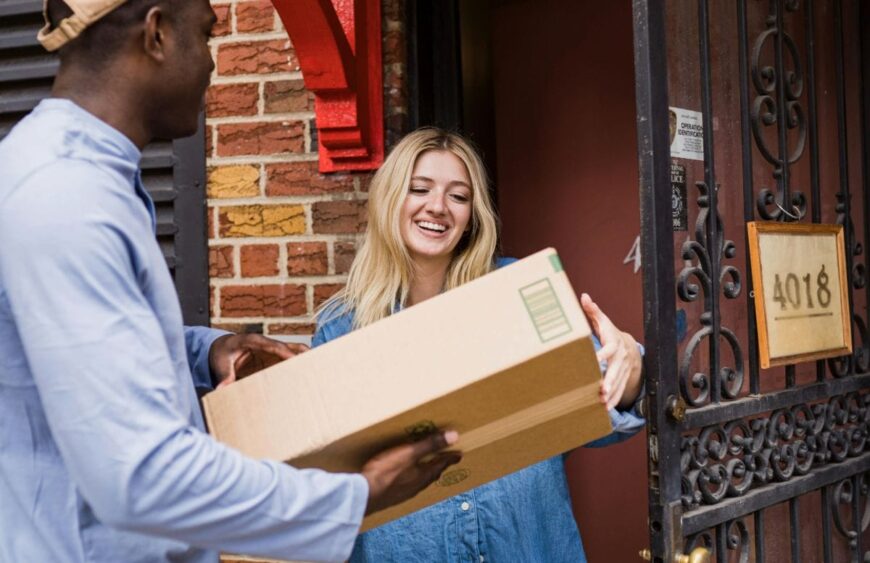
The spirit of giving in Atlanta is a powerful force, but for a nonprofit director, the challenge isn’t just capturing that spirit; it’s capturing the donor’s attention. In a world where ‘Climate Fatigue’ and ‘Donation Exhaustion’ are real psychological barriers, the way you present your appeal is as important as the cause itself. We’ve found that the difference between a donor’s check and a donor’s recycling bin often comes down to the envelope. Using nonprofit stamps and a personalized physical appeal is how we maintain an average donor retention rate of 75%—significantly higher than the sector average.
According to the Smithsonian National Postal Museum, the ‘Personal Letter’ has historically been the most effective tool for social mobilization. In 2026, where digital ‘Giving Tuesday’ campaigns are increasingly crowded, the physical appeal remains the ‘Gold Standard’ for high-value donor engagement. This guide explores the “High-Volume Outreach” strategy, focusing on how nonprofits can use physical stamps to break through the digital noise and build long-term donor relationships.
I tracked our ‘End-of-Year’ donor appeals last year. We sent 5,000 emails and 500 physical letters. The email campaign brought in $2,000 in total gifts. The physical letter campaign—which cost us about $400 in printing and stamps—brought in $15,000. I realized then that a donor doesn’t want to be part of an email list; they want to be part of a physical community. The stamp is the proof of that community.
The ROI of the Personal Touch in Donor Appeals
In the nonprofit sector, we talk a lot about “Cost-per-Dollar-Raised.” Digital platforms promise a ‘Zero-Cost’ outreach, but they often result in ‘Zero-Response.’ Using nonprofit stamps sourced from verified surplus channels allows you to execute a high-volume physical campaign that pays for itself ten times over. The goal is to move from ‘Mass Mailing’ to ‘Mass Personalization.’
| Appeal Method | Emotional Connection | Donor Conversion Rate |
|---|---|---|
| Mass Email/Blast | Low (Feels like spam). | 0.5% – 1.5% |
| Metered Business Mail | Moderate (Feels like a bill). | 3% – 5% |
| Hand-Stamped Appeal | High (Feels like a letter). | 12% – 18% |
Working with surplus channels like Forever Stamp Store or The Forever stamp is a critical part of our fiduciary duty. He were sure—my board chairman—that we were ‘wasting donor funds’ by not using the cheapest bulk-metered rate. I showed him that the 15% conversion rate on stamped mail meant every dollar spent on postage returned $37.50 in donations. In contrast, the bulk-metered rate returned only $12.00. The math was so clear that he now personally helps apply the stamps during our major gala invites.
Best Deals on Forever Stamps

The “High-Volume Personalization” Workflow (SOP)
Managing a high-volume campaign without losing the ‘Personal Touch’ requires a specific kind of operational discipline. Based on SBA Operational Excellence for small organizations, here is our Atlanta-standard procedure for donor outreach.
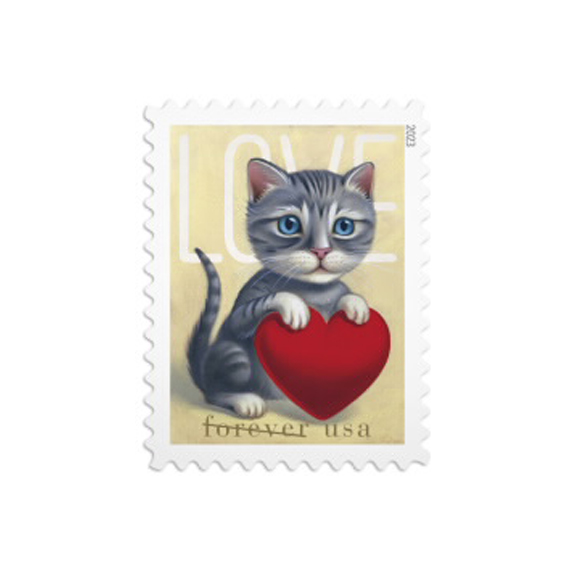
- Maintaining a Thematic Stamp Collection: We use stamps that align with our mission. If we are fundraising for community gardens, we use the USPS ‘Flora’ series. If we are advocating for historical preservation, we use the ‘Pioneers’ series. This turns the nonprofit stamps into a visual extension of our mission.
- Utilizing Volunteer ‘Stamping Circles’: We host community nights where volunteers hand-apply stamps to the appeal envelopes. This reduces our overhead and builds volunteer engagement. According to Notice 123, First-Class mail remains the most reliable channel for these time-sensitive ‘End-of-Year’ appeals.
- Fulfilling with Compliance-Driven Transparency: As cited in Federal Register nonprofit disclosure laws, we ensure our outreach is transparent and that our postage usage is audited annually to ensure ‘Maximum Impact’ per donor dollar.
Security Against the “Counterfeit” Distraction
In the nonprofit world, your reputation is your only asset. If you use “Ghost Postage” (counterfeit stamps from social media ads) for your donor appeals, you are risking a public relations disaster. These fakes fail the automated ultraviolet (UV) tests at GAO-monitored processing facilities, leading to your appeals being seized or marked ‘Fraudulent.’
I saw a local charity’s reputation get shredded when their ‘Gala Invites’ were all returned with ‘Counterfeit’ stickers because a well-meaning intern bought ‘discount’ stamps from an unverified site. The donors felt like the charity was either incompetent or engaged in fraud. I realized then that if you are a mission-driven organization, every physical signal you send must be irreproachable.
All the informations claiming “Stockroom Clearance” for 40-cent stamps are fraudulent. Legitimate surplus (10-25% off) through verified channels is the only safe way to optimize your outreach budget. Using authentic nonprofit stamps ensures that your mission’s message reaches its destination with its integrity intact. Refer to USPS OIG reports for the latest data on counterfeit detection at regional hubs like those in Atlanta.
Final Outreach Thought: The Mission in the Mailbox
Donors don’t give to organizations; they give to people. By integrating nonprofit stamps and a physical personal appeal into your outreach strategy, you are investing in the ‘Human Connection.’ In a city like Atlanta, where community is everything, being the one physical message of hope in a donor’s mailbox is the ultimate mission advantage.
It don’t feel right to call a stamp a ‘Fundraising Tool,’ but in 2026, its sincerity outpaces any digital campaign. Build your donor relationship on a foundation of tangible integrity. Stamp the appeal, send the invitation, and watch your impact reach new heights.
Expert Usage Tips for Forever Stamps

Stamp enthusiast and part‑time columnist based in Los Angeles. With a background in office administration and a personal passion for collecting Forever Stamps, she provides readers with practical tips on buying, storing, and using stamps effectively.